JIANGSU BUYWIN CO., LTD.

JIANGSU BUYWIN CO., LTD.
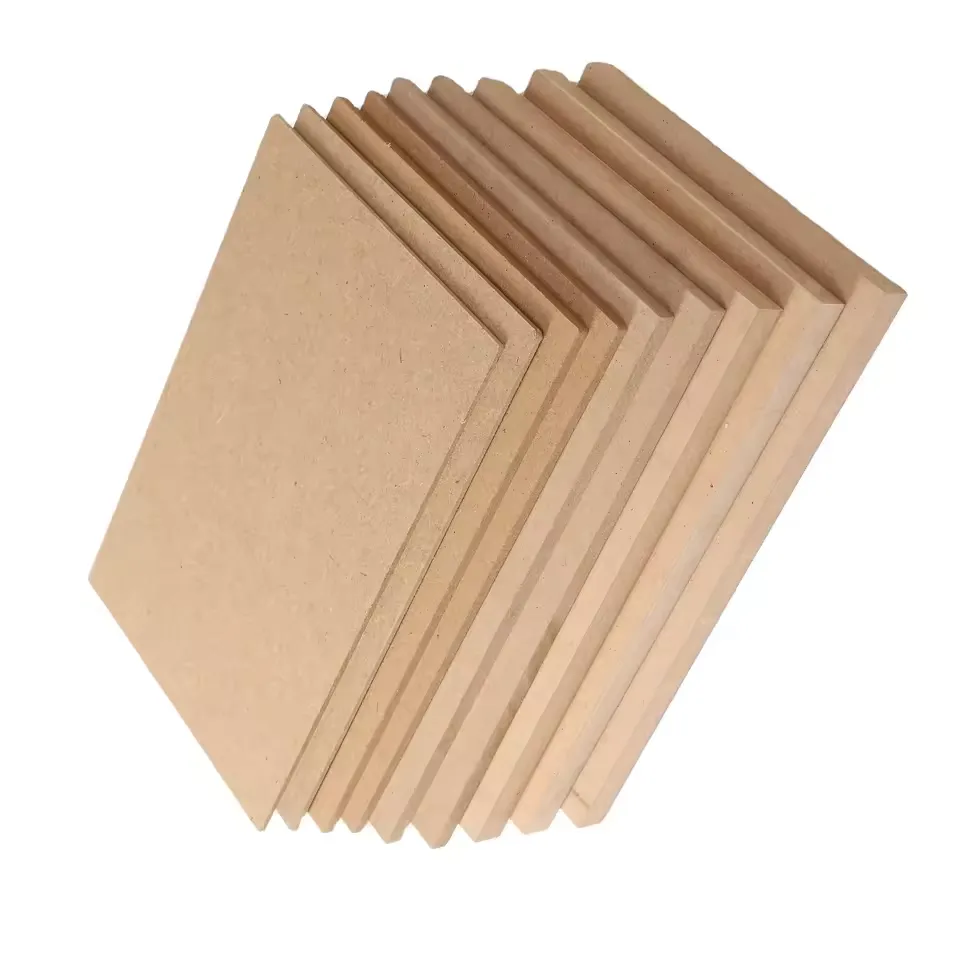
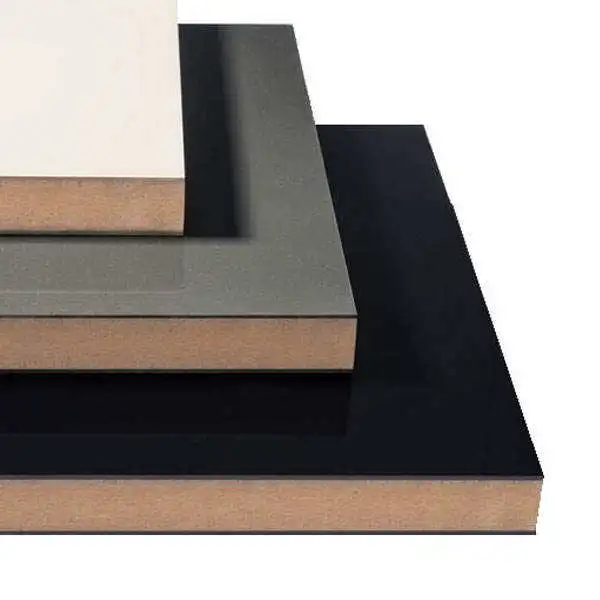
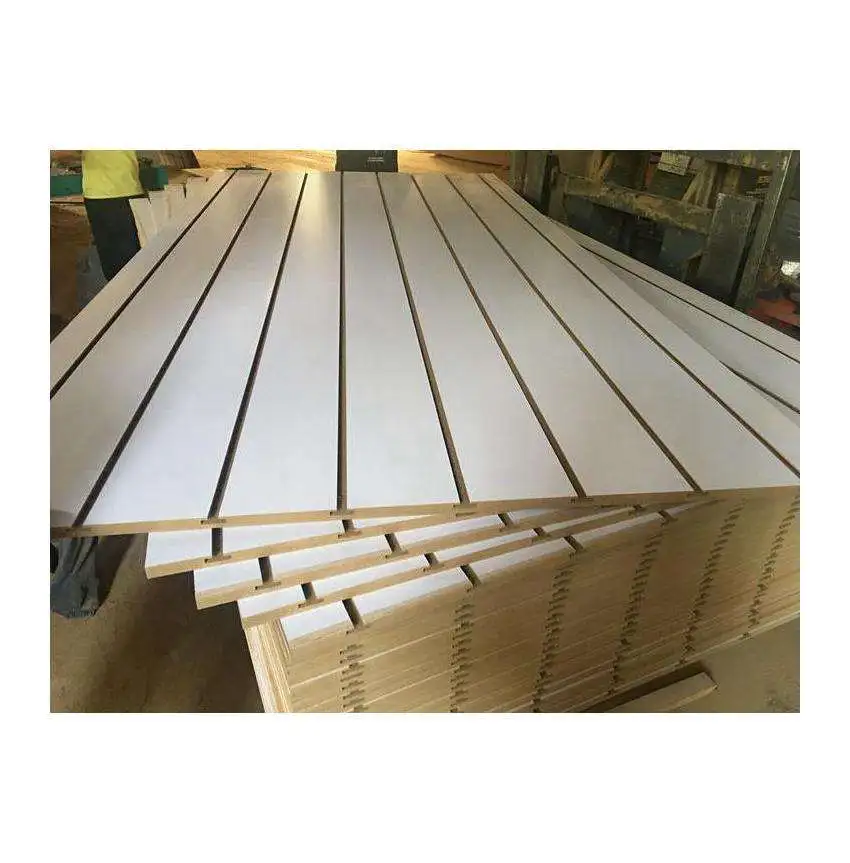
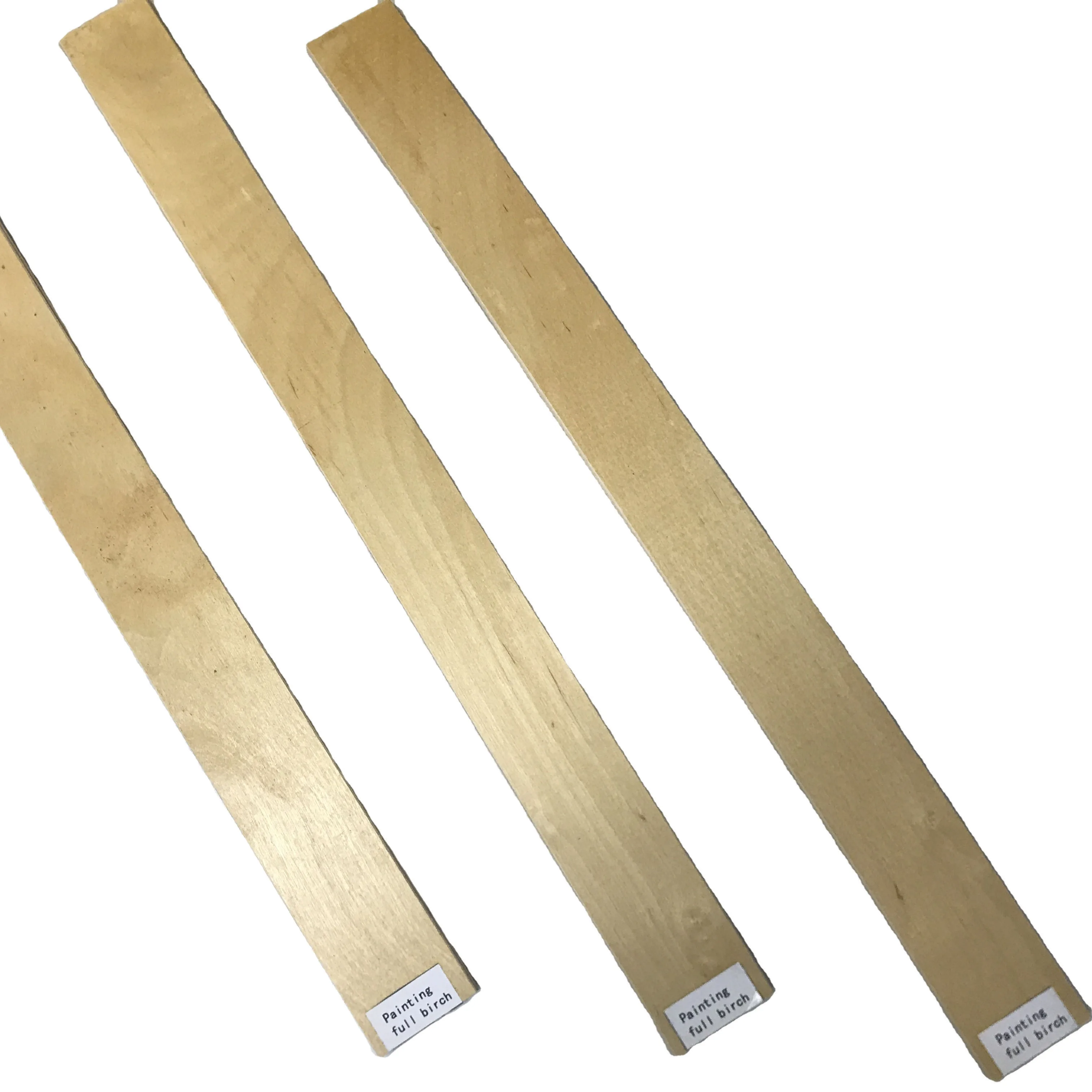
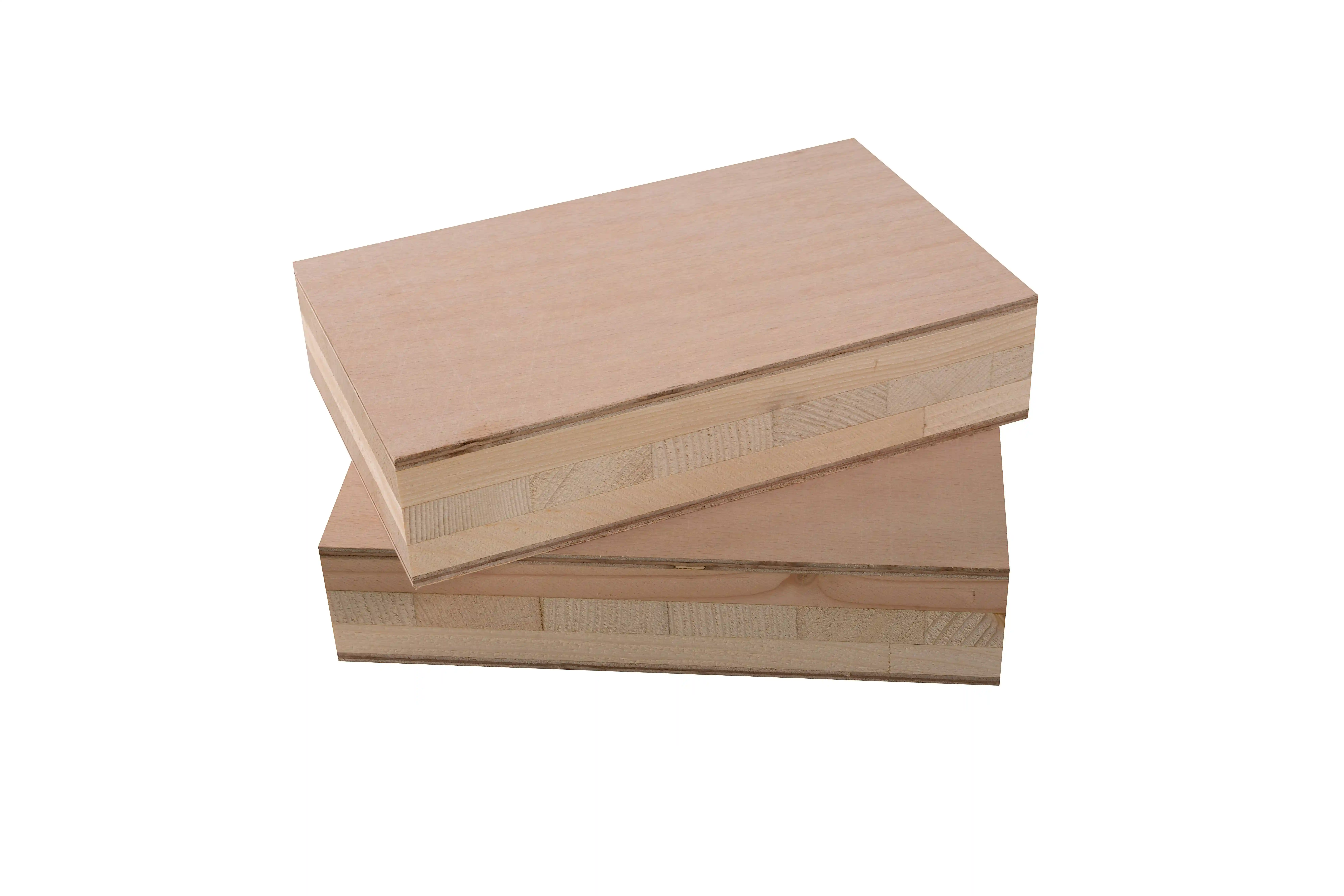
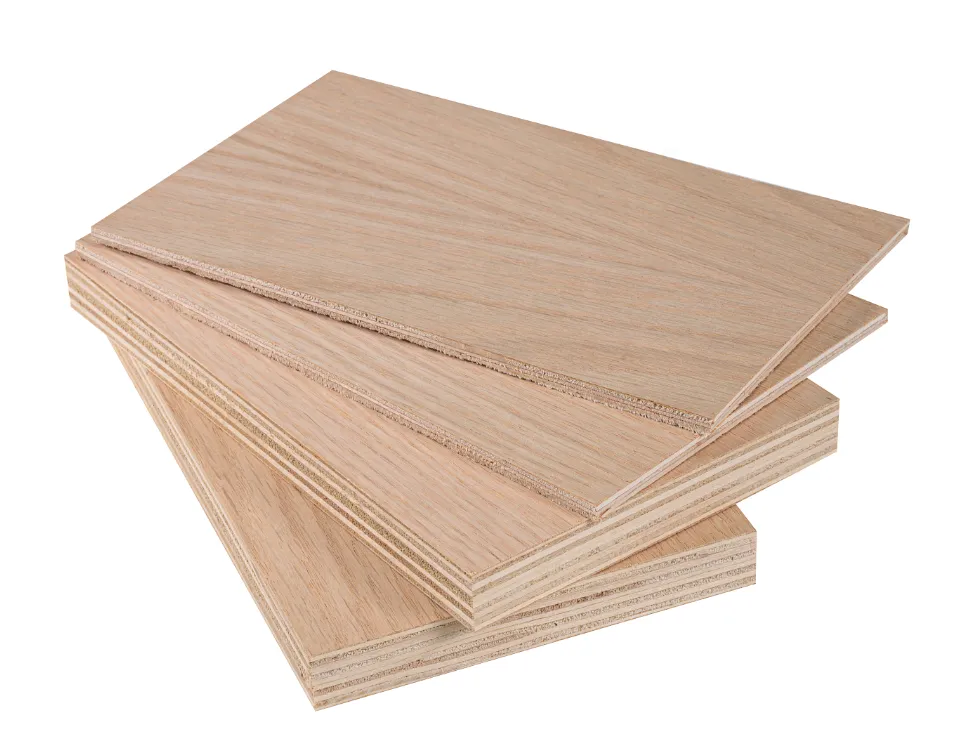
Multiple choice of commercial plywood, film faced plywood, door blank, blockboard, chip-board, MDF, HMR / FR MDF, MGP10, H20 BEAM, LVL, Solid wood panels, OSB, Veneer/ Melamine / UV / PET / PU laminated wood products, etc.

ALL PRODUCTS

SERVICE ADVANTAGE

Premium Material Sourcing & Quality
Jiangsu Buywin co., ltd. specializes in supplying high-grade, rare wood species from sustainable sources worldwide. They emphasize meticulous selection and treatment processes to ensure exceptional durability, stability, and aesthetic appeal in their decking, flooring, and cladding products, catering to discerning clients seeking top-tier materials.
Comprehensive Customization & Design Solutions
We offers extensive customization capabilities beyond standard sizes and finishes. They provide tailored solutions including unique profiles, intricate patterns, custom milling, and specialized finishes, working closely with architects, designers, and contractors to realize bespoke project visions and complex design requirements.
Commitment to Sustainability & Certification
Jiangsu Buywin co., ltd. strongly emphasizes environmental responsibility, sourcing FSC-certified and legally verified woods. They detail sustainable forestry partnerships and adherence to international environmental standards, providing customers with verifiable chain-of-custody documentation to ensure ethical sourcing and support eco-conscious building practices and certifications.
RELATED ARTICLES AND RESOURCES
Summary of China's Wood-based Panel Import and Export Trade in 2024
In 2024, China's total import and export volume of wood-based panels reached 19.989 million cubic meters (converted), a year-on-year increase of 25.89%. The total import and export value amounted to US$7.855 billion, up by 14.39% year-on-year. China exported a total of 17.8599 million cubic meters (converted) of wood-based panels, a year-on-year increase of 24.79%, with an export value of US$6.929 billion, up by 10.4%. Imports of wood-based panels totaled 2.1291 million cubic meters (converted), a year-on-year increase of 36.02% for the fifth consecutive year, and the import value reached US$926 million, up by 56.68% year-on-year. Overall, both the import and export volumes of wood-based panels increased, but the average import and export prices both declined. In 2024, China's plywood exports reached 13.1887 million cubic meters, up by 22.82% year-on-year, with an export value of US$5.269 billion, up by 9.4%. Imports of plywood amounted to 793,000 cubic meters, up by 172.41% year-on-year, with an import value of US$222 million, up by 7.25%. Over 90% of plywood imports were from Russia. The top five export destinations for China's plywood remained relatively stable, with the Philippines, the United Kingdom, Taiwan (China), the UAE, and Saudi Arabia being the top five. Japan and Nigeria, which were in the top five in 2023, dropped to seventh and ninth place respectively, with Taiwan (China) and Saudi Arabia taking their places. In 2024, China exported approximately 3.8312 million cubic meters (converted) of fiberboard products, up by 30.27% year-on-year, with an export value of US$1.36 billion, up by 14.19%. Imports of fiberboard products reached 74,400 cubic meters (converted), up by 8.82% year-on-year, while the import value decreased by 4.56% to US$46.67 million. The top five export destinations for fiberboard products were Vietnam, Saudi Arabia, Mexico, Nigeria, and the United States. Notably, Vietnam's growth rate was rapid, rising from fourth place last year to first place, with Saudi Arabia moving from third to second place. In 2024, particleboard remained the only product where China's import volume exceeded its export volume. A total of 1.2617 million cubic meters (converted) of particleboard products were imported, up by 5.02% year-on-year, with an import value of US$657 million, up by 48.86%. The top five countries for particleboard imports were Thailand, Brazil, Poland, Romania, and Germany. China exported 840,000 cubic meters (converted) of particleboard products, up by 34.61% year-on-year, with an export value of US$300 million, up by 10.7%. The top five export destinations were Taiwan (China), Mongolia, Nigeria, Chile, and Vietnam. Compared to 2023, Saudi Arabia and the UAE dropped out of the top five, while Chile and Vietnam entered the top five. Looking ahead to 2025, the global economy faces multiple challenges and is showing a clear trend of slowing down. Geopolitical conflicts are intensifying, and trade protectionism is on the rise, increasing the uncertainty of China's wood-based panel import and export trade. However, with the growing economic and cultural influence of China, there are still many opportunities for business growth in overseas markets.
Read More »Summary of China's Fiberboard Import and Export Trade in 2024_20260417161848A021.jpg?x-oss-process=image/format,webp)
Summary of China's Fiberboard Import and Export Trade in 2024
The Chinese fiberboard industry, as a typical cyclical industry, is undergoing an unprecedented reshaping of its competitive landscape under the combined pressures of a global economic slowdown and deepening domestic structural adjustments. In 2024, China's annual fiberboard production capacity reached 41.83 million cubic meters, a year-on-year decrease of 9.0%, with the average annual production capacity per line rising to 158,000 cubic meters. In recent years, domestic fiberboard consumption has declined sharply due to fierce competition from other types of panels. As a major producer and consumer of fiberboard, expanding China's export trade plays an important role in balancing supply and demand. The author analyzes the scale, product types, unit prices, and changes in the import and export trade of China's fiberboard in 2024 based on data from Chinese customs. According to the density settings in China's customs import and export tariff, fiberboard products can be divided into five categories: high-density products, medium-density products, low-density products, soft products, and high-density laminate flooring products. This paper analyzes the trade characteristics of various types of fiberboard imports and exports according to their density. 1. Import Trade 1.1 Import Scale Over the past decade (2015–2024), the import volume of fiberboard in China has generally shown a parabolic downward trend. Between 2015 and 2019, the average annual import volume of fiberboard in China was between 160,000 and 190,000 tons, with relatively small fluctuations. However, from 2020 to 2024, the import volume has shown a rapid downward trend, reaching the lowest level in the analyzed period in 2023 at 51,300 tons. In 2024, China imported 53,500 tons of fiberboard, a slight year-on-year increase of 4.29%, but still at a relatively low level, as shown in Figure 1. The import value continued to rise before 2019, peaking at 141 million U.S. dollars in 2018, and then fluctuated downward. In 2024, it reached a new low of 47 million U.S. dollars, as shown in Figure 2. Overall, during the pandemic and post-pandemic period, China's fiberboard products have shown a significant downward trend in both import volume and import value. 1.2 Import Product Structure and Price Analysis The structure of imported fiberboard products in China has distinct characteristics. As shown in Figure 3, the import value of laminate flooring products is the largest, followed by medium-density fiberboard. Together, they dominate the market. From 2020 to 2024, the proportion of laminate flooring import value first increased and then decreased, accounting for approximately 52% to 66% of the annual import value. Medium-density fiberboard showed the opposite trend, and together with laminate flooring, they accounted for 90% to 95% of the total import value. The import value of other types of fiberboard products did not exceed 10% to 5% of the total. In 2024, China imported 22,800 tons of laminate flooring products, accounting for 42.62% of the total imported fiberboard products; 25,700 tons of medium-density fiberboard products, accounting for 48.04% of the total imports; 4,500 tons of high-density fiberboard products, accounting for 8.41% of the total imports; and low-density and soft fiberboard products accounted for 0.99% of the total, as shown in Table 1. Compared with 2023, the import volume of fiberboard products increased by 4.29%. In 2024, the overall average import price of various types of fiberboard products in China decreased by 8.62% compared to 2023. The average import price of different types of fiberboard products changed significantly. For example, the average import price of laminate flooring decreased by 6.52% compared to 2023, medium-density fiberboard decreased by 12.26%, and high-density fiberboard increased by 3.63%. Low-density fiberboard increased by 15.16%, while soft fiberboard increased by 57.66%. This abnormal increase in the average import price of soft fiberboard needs further detailed data for analysis. Overall, the international market for fiberboard also competes mainly through price reductions. 1.3 Import Markets In 2024, China's fiberboard imports involved 72 countries/regions. Among them, Europe accounted for 44.79% of the import volume with 28 countries/regions; Oceania accounted for 33.12% with 2 countries/regions; Asia accounted for 21.59% with 23 countries/regions; and North America, Latin America, Africa, and other regions (19 countries/regions) accounted for only 0.50% of the import volume. New Zealand was the largest source of fiberboard imports to China, accounting for 31.29% of the total import volume, followed by Thailand (17.20%), Germany (13.57%), Romania (8.88%), Belgium (6.79%), Switzerland (3.39%), Spain (3.14%), Poland (3.10%), Australia (1.83%), and the Netherlands (1.73%), with other countries/regions accounting for 9.08%. The product categories imported from the top 10 countries/regions in terms of import volume are shown in Figure 4. China mainly imported laminate flooring products from Germany, Thailand, Belgium, Switzerland, Poland, and the Netherlands, and medium-density fiberboard products from New Zealand, Romania, Thailand, Spain, and Australia. High-density fiberboard imports from New Zealand, Thailand, and Poland also accounted for a significant proportion. 2. Export Trade 2.1 Export Scale China's fiberboard international trade has long shown a significant export-oriented characteristic. Over the past decade (2015–2024), China's fiberboard export volume has generally shown a trend of first decreasing and then increasing. Before 2020, China's fiberboard export volume was on a downward trend, reaching the lowest level of 1,518,900 tons in 2020. During the pandemic in 2021, the export volume rebounded sharply to 2,257,800 tons. However, it decreased again in 2022 and then steadily increased in 2023 and 2024. In 2024, China's fiberboard export volume reached 2,758,400 tons, a year-on-year increase of 25.14%, as shown in Figure 5. The trend of export value was basically consistent with the export volume. Before 2020, it was on a downward trend, but it rebounded to an average of 1.197 billion U.S. dollars from 2021 to 2023. In 2024, it reached the highest level of 1.36 billion U.S. dollars, as shown in Figure 6. In 2024, the export volume of China's fiberboard products increased by 25.14% year-on-year, but the export value increased by only 14.19%, indicating that the average unit price of fiberboard products continued to decline, reflecting the current situation of fierce price competition in China's fiberboard export trade. 2.2 Export Product Structure and Price Analysis The structure of China's fiberboard exports also has distinct characteristics. As shown in Figure 7, from 2020 to 2024, laminate flooring and medium-density fiberboard still accounted for the vast majority of fiberboard exports, with their combined share exceeding 90%. The proportion of medium-density fiberboard export value showed a continuous upward trend, accounting for approximately 40% to 53% of the annual export value. The proportion of laminate flooring decreased to 35% to 39% after 2021. The proportion of other fiberboard exports reached a peak of 15.69% in 2022 and has stabilized at around 11.35% in the past two years. In 2024, China exported 1,834,300 tons of medium-density fiberboard products, accounting for 66.50% of the total fiberboard exports; 689,100 tons of laminate flooring products, accounting for 24.98% of the total exports; 166,500 tons of high-density fiberboard products, accounting for 6.04% of the total exports; and 68,500 tons of low-density and soft fiberboard products, accounting for 2.48% of the total exports, as shown in Table 2. Compared with 2023, the export volume of major fiberboard products all increased. In 2024, the average export prices of high-density fiberboard, medium-density fiberboard, and laminate flooring in China's fiberboard exports all decreased to varying degrees compared to the previous year. For example, the average export price of high-density fiberboard decreased by 6.68%, laminate flooring decreased by 1.25%, medium-density fiberboard decreased by 10.24%, and low-density fiberboard decreased by 4.33%. The extremely unreasonable average export price of soft fiberboard in the statistical data needs further detailed data for analysis. 2.3 Main Export Markets In 2024, China's fiberboard exports were distributed across 192 countries/regions worldwide. Among them, Asia accounted for 51.55% of the export volume with 49 countries/regions; Africa accounted for 16.02% with 50 countries/regions; North America (the United States and Canada) accounted for 10.42%; Latin America accounted for 14.05% with 40 countries/regions; Europe accounted for 5.52% with 38 countries/regions; and Oceania accounted for only 2.44% with 13 countries/regions. Vietnam was the largest export market for China's fiberboard products, accounting for 13.28% of China's total fiberboard exports, followed by Saudi Arabia (12.03%), Mexico (8.68%), Nigeria (8.14%), the United States (5.97%), the UAE (5.73%), Canada (4.45%), Algeria (2.81%), Australia (2.23%), Uzbekistan (1.92%), Jordan (1.90%), Russia (1.64%), and the UK (1.62%), with other countries/regions accounting for 29.61%. The product categories exported to the top 10 countries/regions in terms of export volume are shown in Figure 8. In 2024, China mainly exported medium-density fiberboard to Vietnam, Saudi Arabia, Mexico, Nigeria, the UAE, Algeria, and Uzbekistan. Vietnam also had a significant volume of high-density fiberboard and laminate flooring exports. Exports to the United States, Canada, and Australia were mainly laminate flooring, with the United States and Canada also having a large demand for medium-density fiberboard. Low-density fiberboard exports showed significant growth, with relatively larger usage in Nigeria and Canada. 3. Discussion and Outlook In 2024, China's fiberboard import volume was at a historical low over the past decade, while exports increased rapidly for two consecutive years, with export volumes far exceeding import volumes. However, comparing the prices of similar fiberboard products imported and exported by China in 2024, the import unit price was significantly higher than the export unit price. In 2024, the average import unit price of China's fiberboard was about 76.84% higher than the average export unit price. The average import unit price of medium-density fiberboard was 60.38% higher than the average export unit price, the difference for laminate flooring was 64.97%, and for high-density fiberboard, it was 37.20%. Chinese fiberboard enterprises are highly concentrated in the production of medium/high-density fiberboard products, and the competition in the homogenized product market is extremely fierce, with merchants mainly relying on low-price advantages to drive export trade. Under the backdrop of domestic overcapacity, the large-scale export of high-cost-performance fiberboard products has alleviated domestic structural inventory pressure to some extent. At the same time, with the increasing requirements for timber legality certification in the European and American markets and the rise of low-cost capacities in Southeast Asia, this low-price export competition will force enterprises to expand raw material sources, increase the degree of automation of production lines, focus on product research and quality management, and strengthen brand building. These measures will drive the industry to transform from a "scale dividend" to a "quality premium" model, achieving a virtuous cycle of consolidating export advantages through technological upgrades.
Read More »
The chairman of SOHO Holding Group conducted a research visit to Jiangsu Buywin
On June 6th, Zhou Yong, the Party Secretary and Chairman of SOHO Holding Group, visited our company for research. He gained a thorough understanding of the company's business operations, corporate governance, and Party building, and encouraged the staff and workers to be steady and innovative, and to continuously promote the high-quality and sustainable development of the enterprise. At the symposium, our company gave a detailed report on its development history, business operations, distinctive features and highlights, as well as the Party building. While listening to the report, Zhou Yong inquired carefully about the company's main business layout, overseas market distribution and other situations, and made in-depth and detailed inquiries on topics such as the company's share in the industry, the operation of its equity-participated enterprises, and the operation of the professional manager mechanism. He highly affirmed the company's business development in recent years, pointing out that the company's production and operation have been steadily advancing, with a prominent main business. It has formed unique experience and brand in the integration of trade, industry and technology, and has effectively promoted the pilot work of the "small double hundred" reform. Regarding actively responding to changes in the external environment and further promoting the stable development of the enterprise, he emphasized that first, we should strengthen the overseas development layout. We should further promote the layout of overseas production bases, optimize and enhance the global resource integration and allocation capabilities; actively coordinate with small and medium-sized enterprises in the supply chain, promote the transformation of production factories into "profit centers", and open up new space in active adaptation. Second, we should vigorously develop cross-border e-commerce. We should deeply understand and grasp the new momentum and new trends of cross-border e-commerce, actively embrace new technologies and new models, and promote the development of cross-border e-commerce business based on the characteristics of wood products in a way that suits local conditions, and strive to achieve tangible development results. Third, we should continuously strengthen risk control. We should continuously optimize the business model, strengthen the management of payment terms and accounts receivable, and reasonably control the scale of financing; focus on key areas and links, and effectively strengthen business control. Fourth, we should continuously improve corporate governance. We should strengthen the Party's overall leadership, optimize the corporate governance structure, and effectively play the coordinated role of various governance entities; strengthen the management of equity-participated enterprises, continuously cultivate the operational advantages of mixed-ownership enterprises, and further promote the construction of the enterprise governance system and governance capacity. Before the symposium, Zhou Yong visited the exhibition area of our company's sheet materials. The responsible persons of relevant functional departments of SOHO Holding Group and the responsible persons of High Hope Group participated in the research.
Read More »FAQ
Frequently asked questions
Yes, the sample is free, welcome to send us an inquiry for samples!
Yes, we have a professional QC team which follow the production process from the beginning to end.Production process can be updated everyday upon the customer's request. After production, QC team will check the cargo piece by piece and test in our lab. Testing report is issued to customers together with QC pictures including size,thickness, moisture content ,edge treatment, package and etc . Loading will be done only after customer's final permission.
As your required. Your company name and trademark can be printed on your plywood products or package.
Accepted Delivery Terms: FOB,CFR,CIF;
Accepted Payment Currency:USD,EUR;
Accepted Payment Type: T/T,L/C,D/P D/A,Western Union;
We'll show you the photos of the products and packages before you pay the balance .
More than 20 years' experience in Wood Products,sell to Western Europe(40.00%),Africa(25.00%),Mid East(25.00%),North America(5.00%),South America(5.00%)
contact us
If you are interested in our products.